WHAT's THE CLIMATE IN THE AMAZON RAINFOREST? 10 YEAR GRAPHS
CLIMATE & WEATHER IN THE AMAZON RAINFOREST BY SEASON: Graphs on hours of sunshine, rainfall, temperatures, etc.
What is the Climate in the Amazon Rainforest of Ecuador
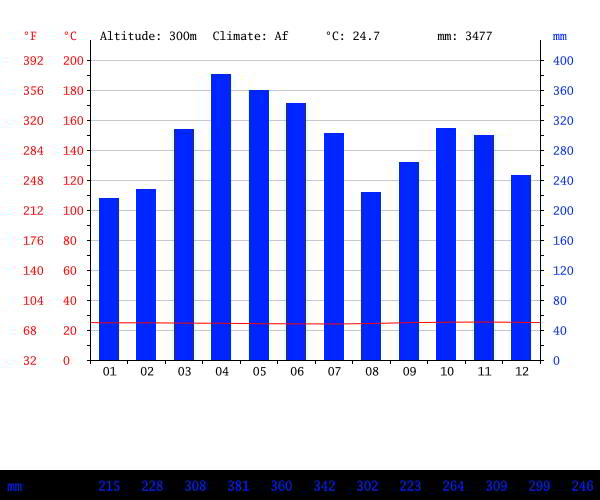
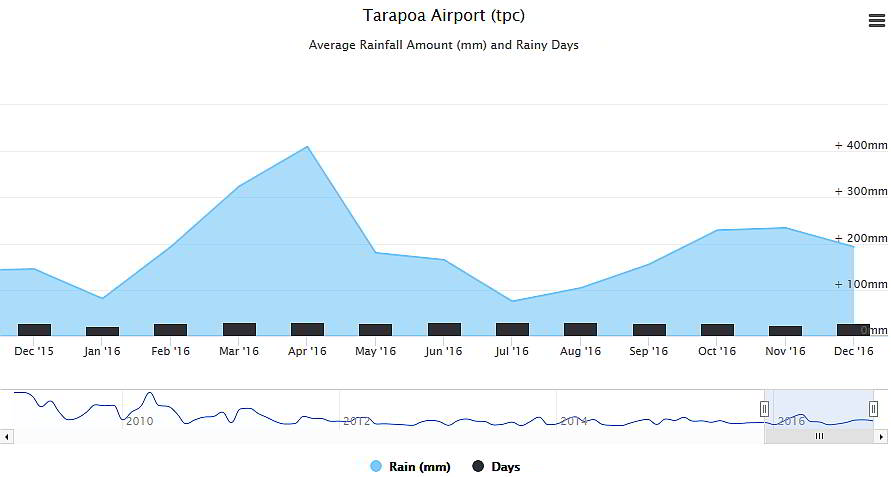
Ecuador’s Amazon rainforest region covers around 40% of the country, and plays an important role in the country’s economy, although only 3% of the population lives there. This is mainly due to the oil wells in the North of the region, which the Ecuadorians call the “Oriente”, meaning “East”. While seemingly less important is the small-scale ecotourism from lodges, but as they complete Ecuador’s tourism product, they in fact are far more important than most Ecuadorians realize. The climate is humid with a very high rainfall, which close to the Andes, in Puyo and Tena, may be as high as 4400 mm of rainfall per year.
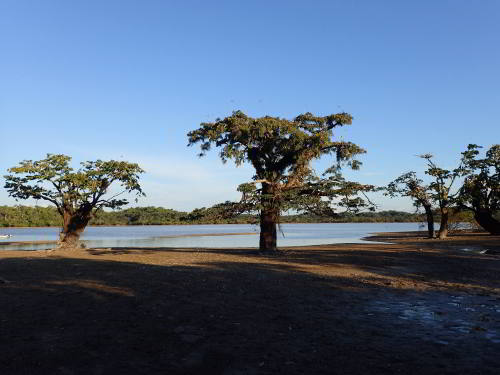
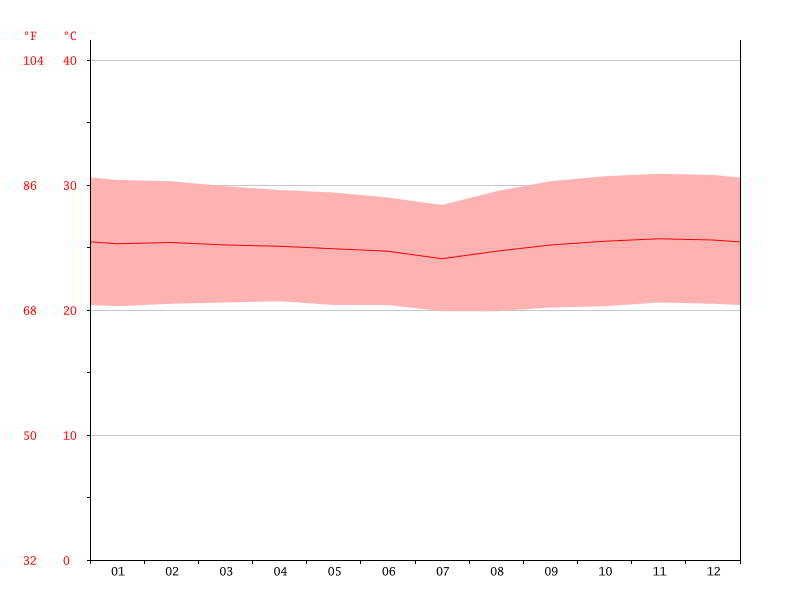
The climate in Ecuador’s Amazon region, or “Oriente” as Ecuadorians call the region, is more humid throughout the year then in any of the other Amazonian countries. It is characterized by an average of about 3500 – 3200 mm of rainfall per year and an average temperature of 23 – 25 C. However, these values are very coarse and temperatures are lower in the foothills of the Andes, where the Cuyabeno Lakes are located. For instance the temperature runs up to 27 C in Leticia, in the eastern Colombian Amazon. Average Amazon rainfall shows a west-east gradient, with average values decreasing towards the east. So, Lago Agrio receives 3500 mm, Tarapoa near the Cuyabeno Lakes receives about 3300 mm of rainfall per year, while we estimate 3200mm for the Lagartacoche part of the reserve on the border with Peru, to receive less than 3200mm.
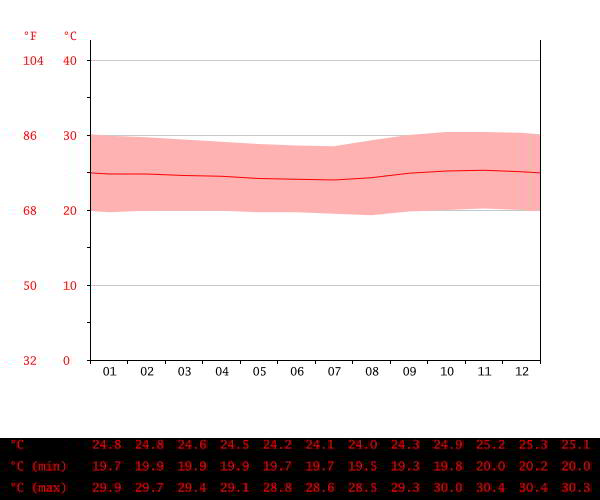
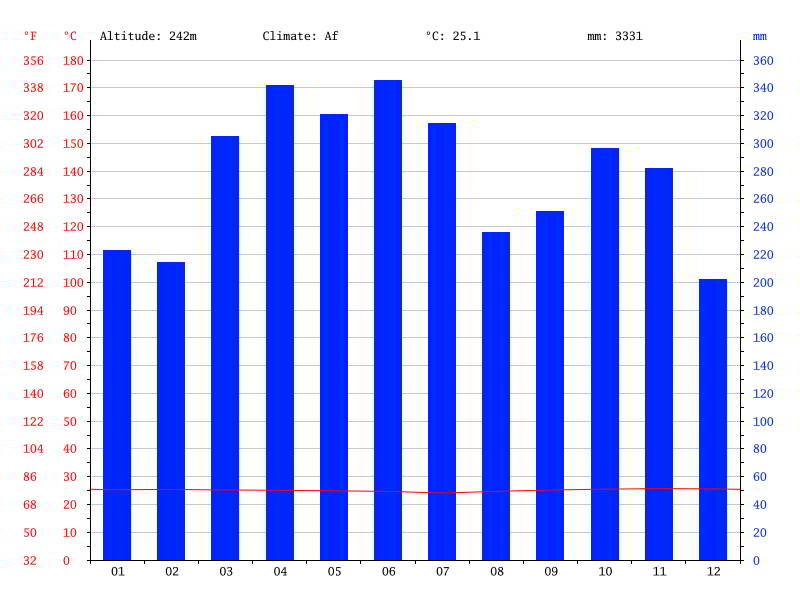
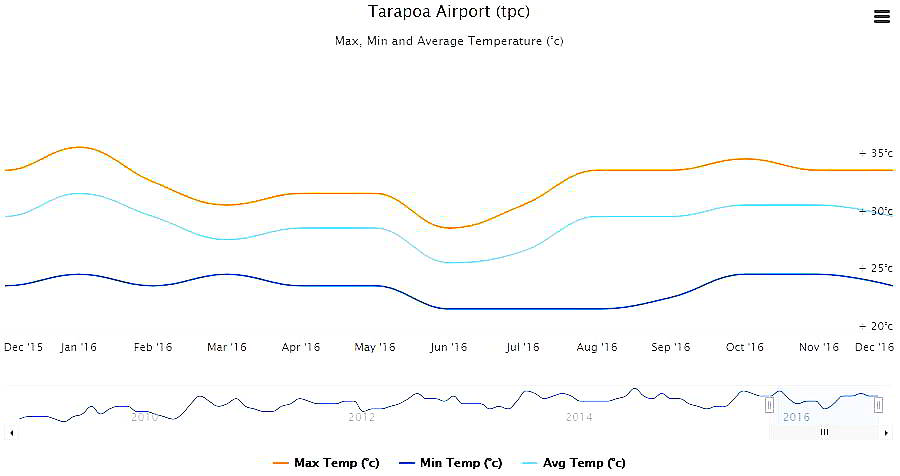
How reliable are these indications? These indications are just general climate characterizations, and yearly fluctuations from the averages are commonplace. In fact any time of the year, it may rain, be hot or even chilly. No matter what you may read on the internet, the weather in the Amazon tropical rainforest is surprisingly variable! First of all, over 24 hours the temperatures usually vary considerably. When the sun is around noon, temperatures will easily shoot up to 30 – 34 C, with the higher temperatures during the dry season. But in the evenings, the temperatures fall rapidly and become very pleasant. At night, temperatures are so low that you need a light blanket, and in the mornings, it does not get hot before 10 o’clock. So, most of the time, the weather in Cuyabeno is extremely pleasant and you don’t need air-conditioning.
High Rainfall in the Amazon of Ecuador
What we do recommend is that you bring one of those waterproof roof prism binoculars. Why you need binoculars you ask?
The Tropical rainforest is all about the small wildlife and birds that move about the trees. You can’t even half appreciate your stay at Cuyabeno if you don’t have a pair of binoculars around your neck all the time. You cant see the beautiful colors of the orchids and the hummingbirds, you miss the baby monkey on the back of his mom, you just sit there while you friends are awestruck when a Kingvulture soars by.
Flooding
As the pioneers for ecotourism in the Cuyabeno Faunistic Reserve, we had the first choice to select a location and we chose one of the only hills in the entire area and our lodge never is flooded. Most other accommodations are built on the river banks, which are seasonally flooded.
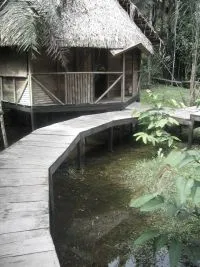

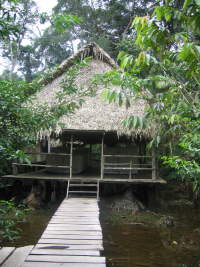

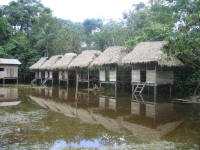



On top of the hill is the 12 m high Cuyabeno Lodge observation tower, which stands on top of a hill of 15 m above the high water mark. The tower is the highest point in the area and overlooks the tree crowns and Cuyabeno Lake. Even during extreme floods like on this photo from the air below, the Cuyabeno Lodge stays well above the high water mark.
Dry Season in the Amazon Rainforest of Ecuador