CUYABENO FAUNA RESERVE: AMAZON OF ECUADOR ANIMALS

590,912

Hectares

580 +

Bird Species

10

monkey species

wildlife

BY CANOE

The Ultimate Animal Guide to the Cuyabeno Fauna Reserve in Ecuador

Spanning an impressive 590,912 hectares (approx. 2,330 square miles) of pristine, virgin primary rainforest, the Cuyabeno Fauna Reserve is widely considered South America’s premier national park for wildlife viewing.
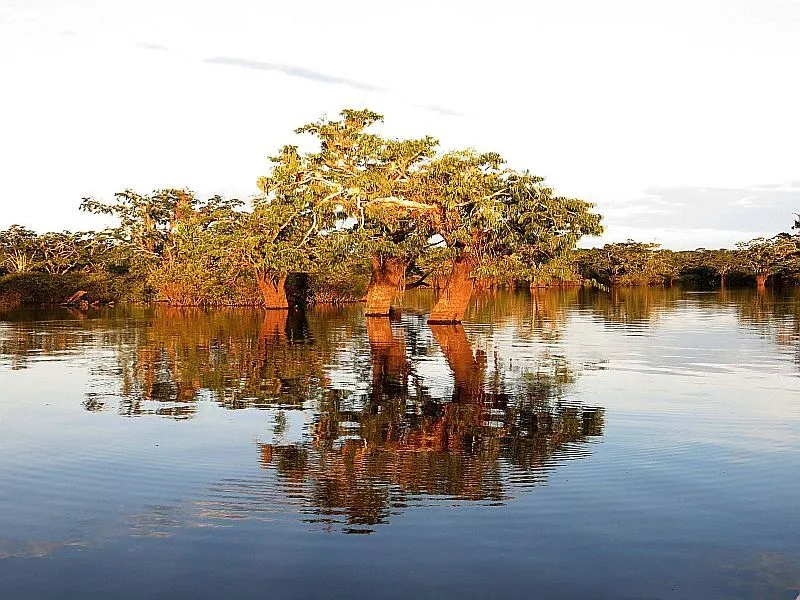
In a typical rainforest, it is difficult to spot animals due to the contrast of the light of the sky and the leaves of the trees. In Cuyabeno, the narrow rivers and creeks break the dense canopy, letting natural light illuminate the shorelines and animals darting through the trees.

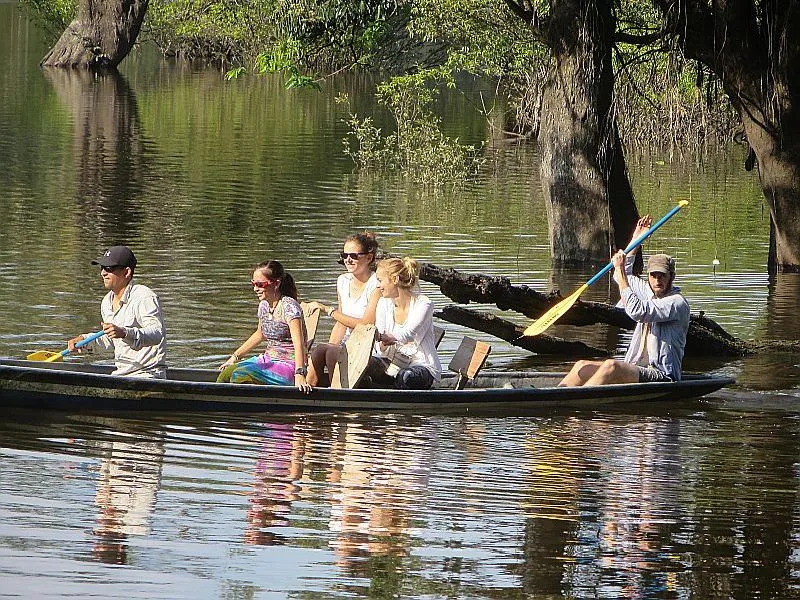
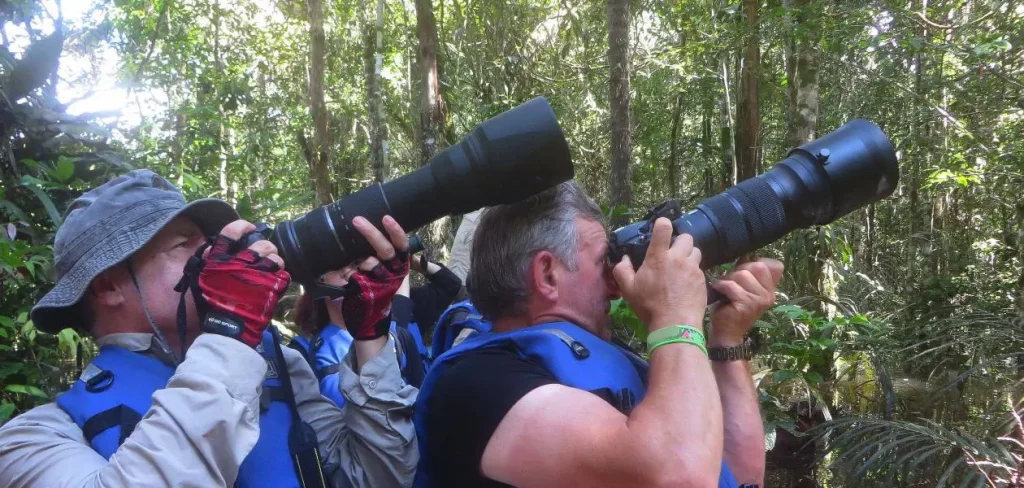
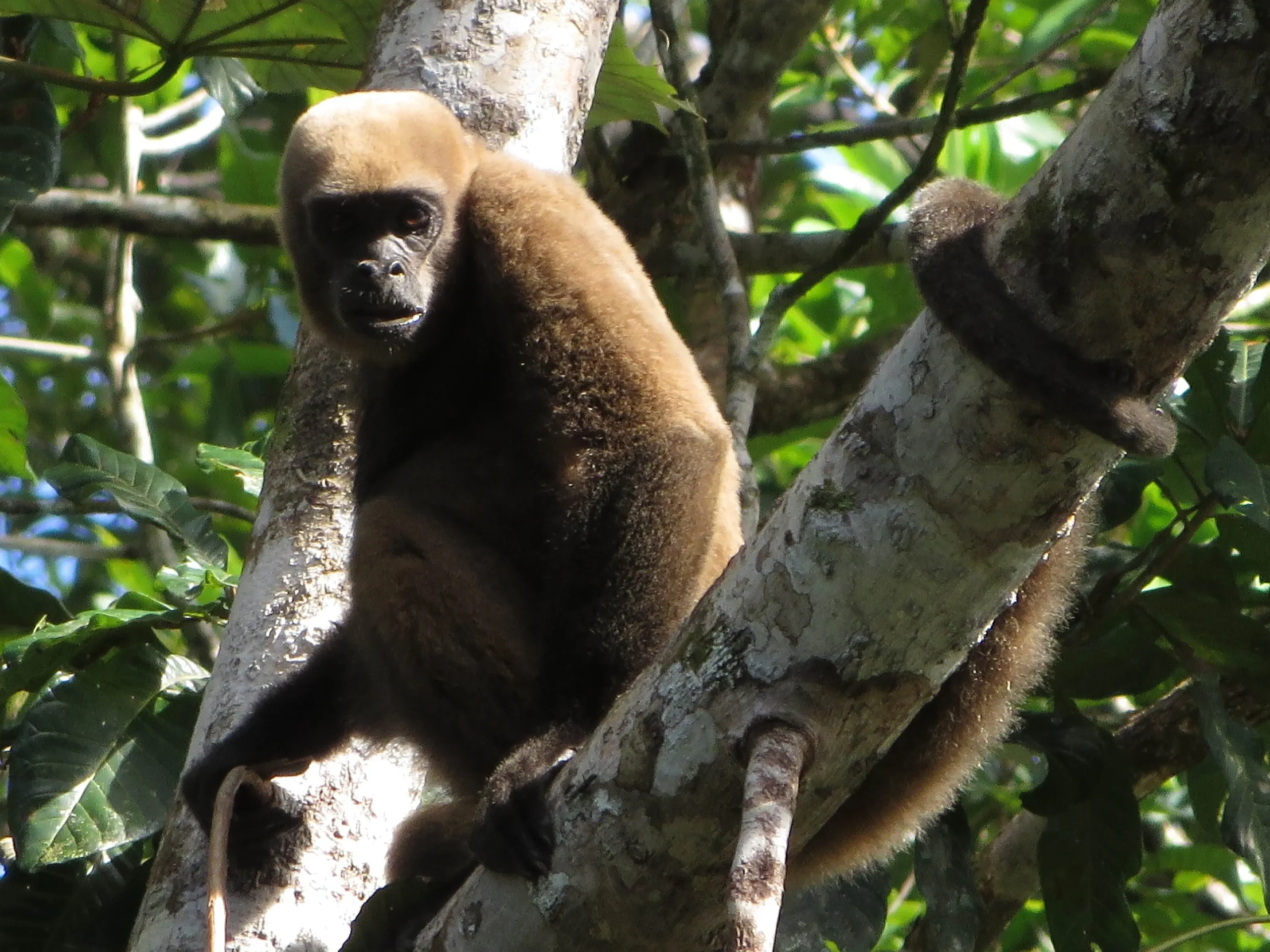
While walking through a dense jungle canopy limits your visibility, Cuyabeno’s extensive network of slow-flowing, narrow rivers and abundant lakes opens up the canopy. The unique flooded plain near the Andes allows you to effortlessly observe iconic Amazonian animals like Monkeys, sloths, and birds from the comfort of your seat in a canoe with your binoculars and camera at the ready. In fact, this the list of mammals., and here you can see the complete list of birds of Ecuador.

When exploring the narrow waterways and jungle trails of the Cuyabeno Wildlife Reserve, keep an eye out for these 10 largest animals of the Amazon:

01

Amazonian Manatee (Trichechus inunguis)

Peaceful freshwater giants that inhabit the banks of the lakes.

02

Amazon Tapir (Tapirus terrestris)

Large land-dwelling mammals that also love swimming.

03

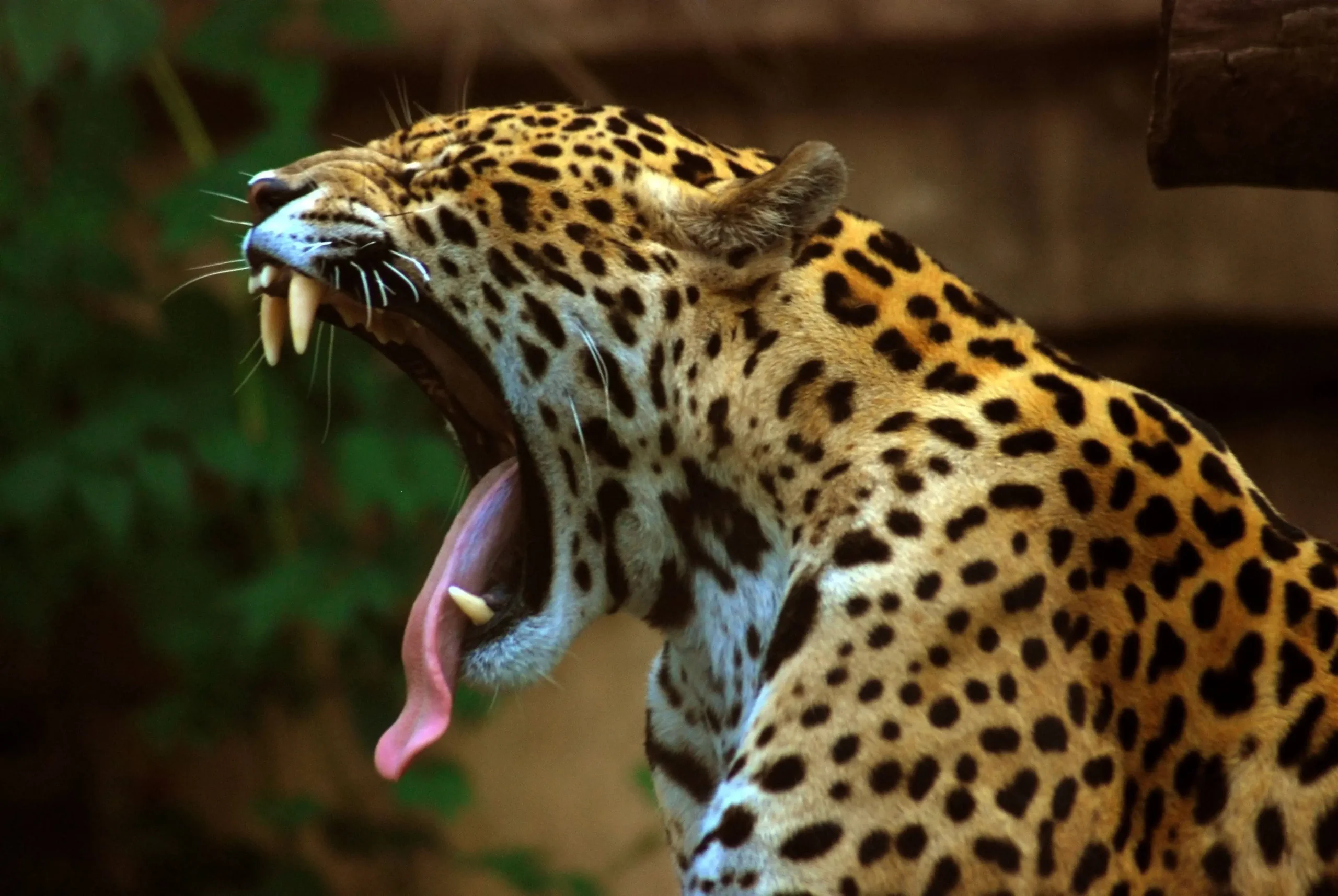
Jaguar (Panthera onca)

The largest wild cat in the Americas, native from the Southern United States along the American lowlands and the Amazon basin.

04

Puma / Mountain Lion (Panthera concolor)

Secretive big cats spanning the Amazon and the Andes; they have occasionally been spotted crossing Cuyabeno Lake.

05

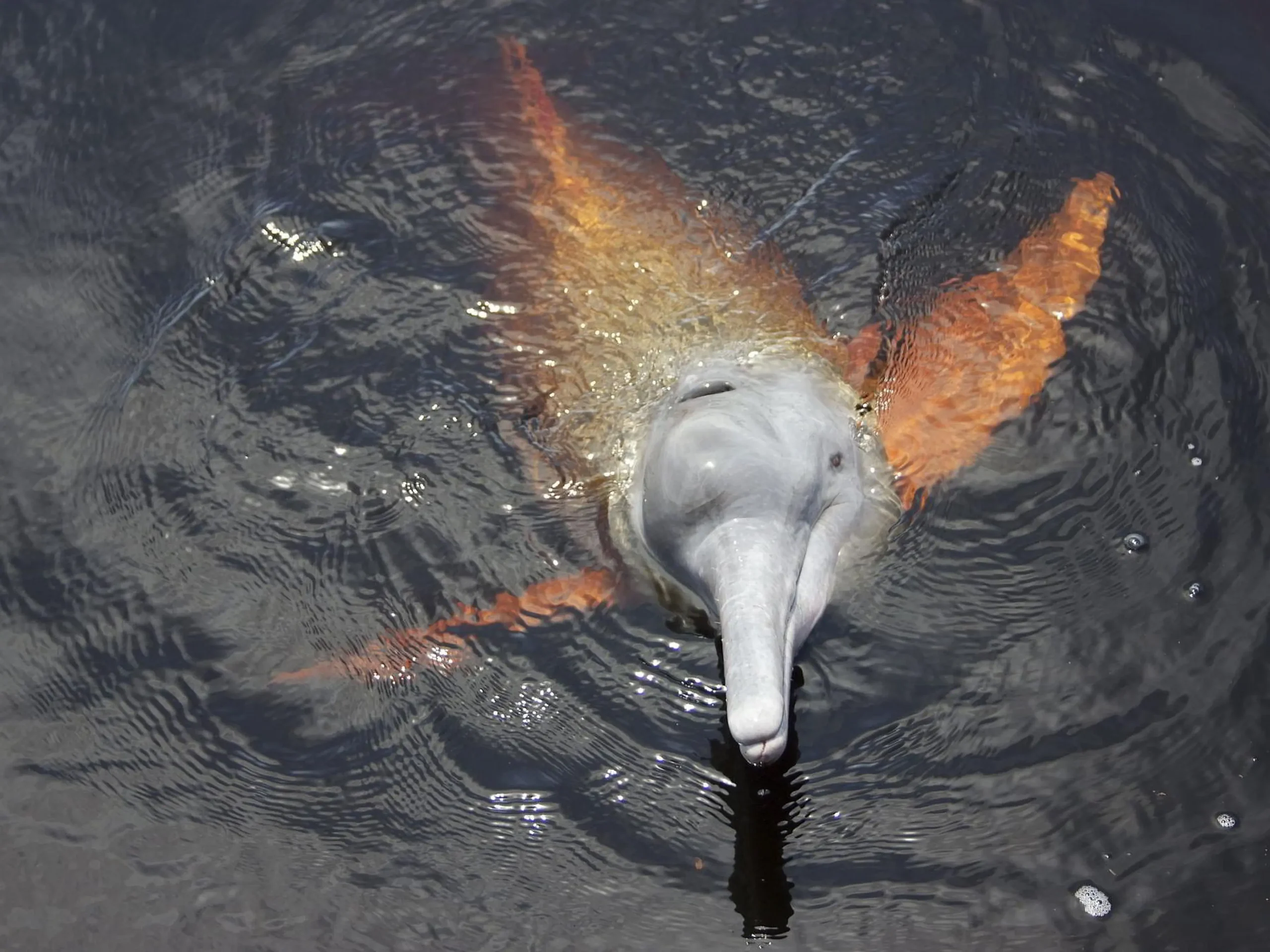
Pink Amazon Dolphin (Inia geoffrensis)

A vulnerable species known for its 180-degree neck flexibility and the striking pink color adult males display when excited.

06

Black Caiman (Melanosuchus niger)

The largest predator of the Amazon’s waterways, capable of reaching lengths up to 4.5 meters.

07

White-Tailed Deer (Odocoileus virginianus)

Highly adaptable mammals found from Alaska to Tierra del Fuego, thriving in both the Amazon and the Andes.

08

Peccary (Tayassuidae)

Found from the Southern USA to Argentina and Chile, 2 distinct species of wild, wild pigs roam the Cuyabeno jungle.

09

Paiche (Arapaima gigas)

The Amazon’s largest freshwater fish, which breathes atmospheric air and hunts close to the water’s surface.

10

Amazon Catfish

Massive, bottom-dwelling river fish that can grow to 2.5 meters.

Over 580 Exquisite Bird Species

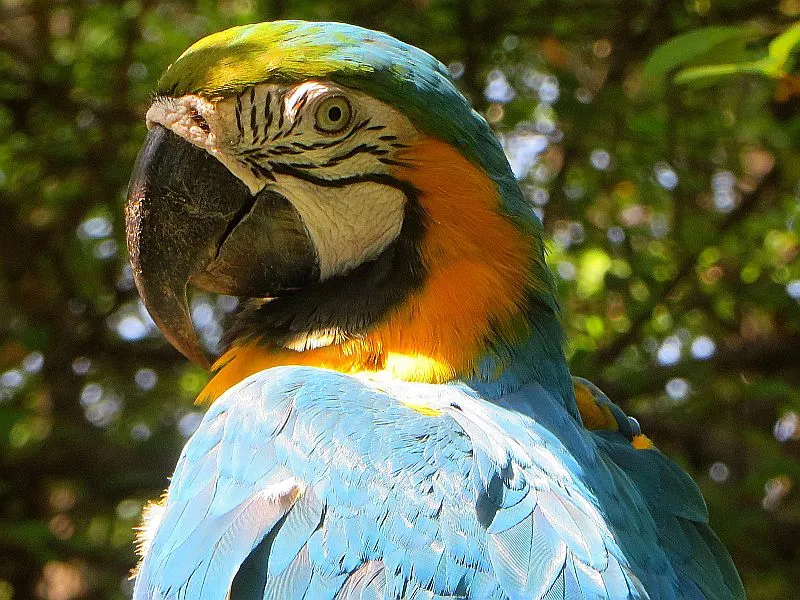
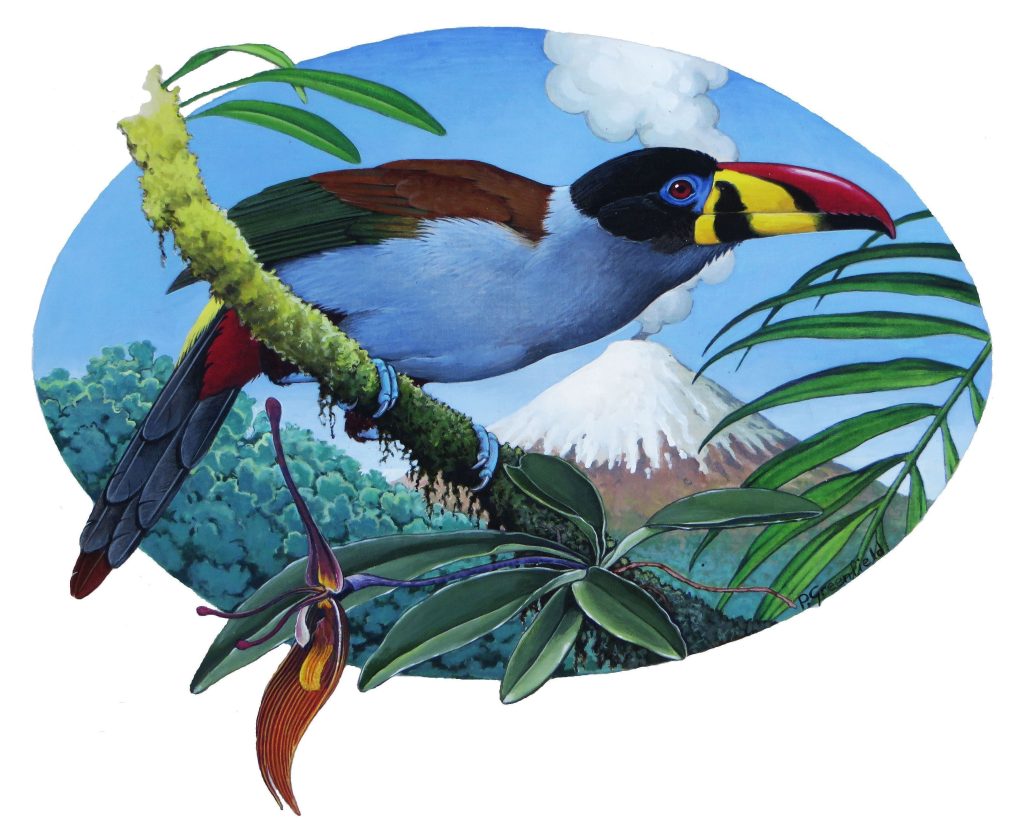
For birdwatchers, the reserve is a living emerald jewel. Home to over 580 recorded bird species, you can spot brightly colored toucans, soaring macaws, prehistoric Hoatzins, and majestic birds of prey darting across the water daily.

A Sanctuary for Rare Mammals and Apex Predators

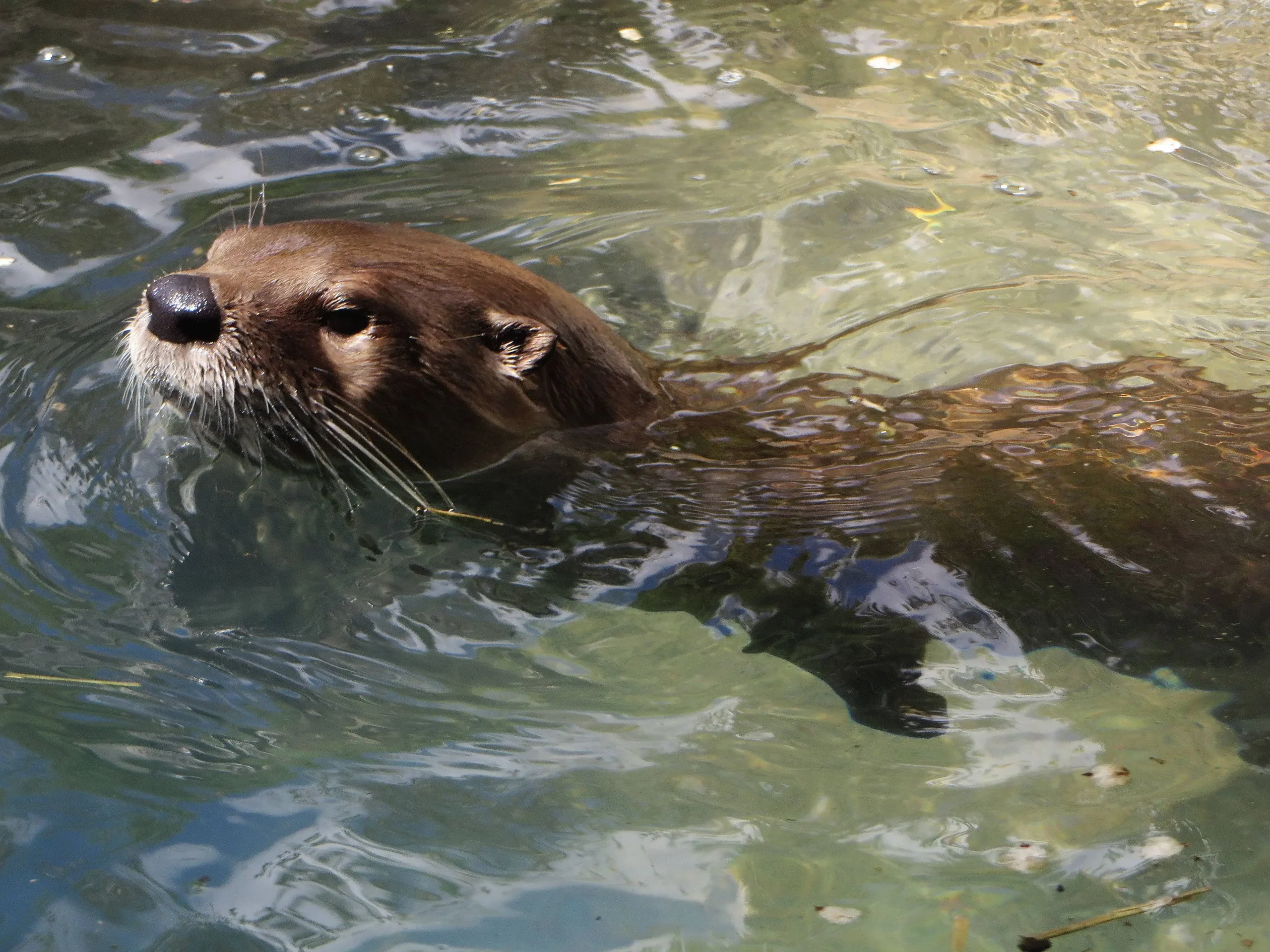
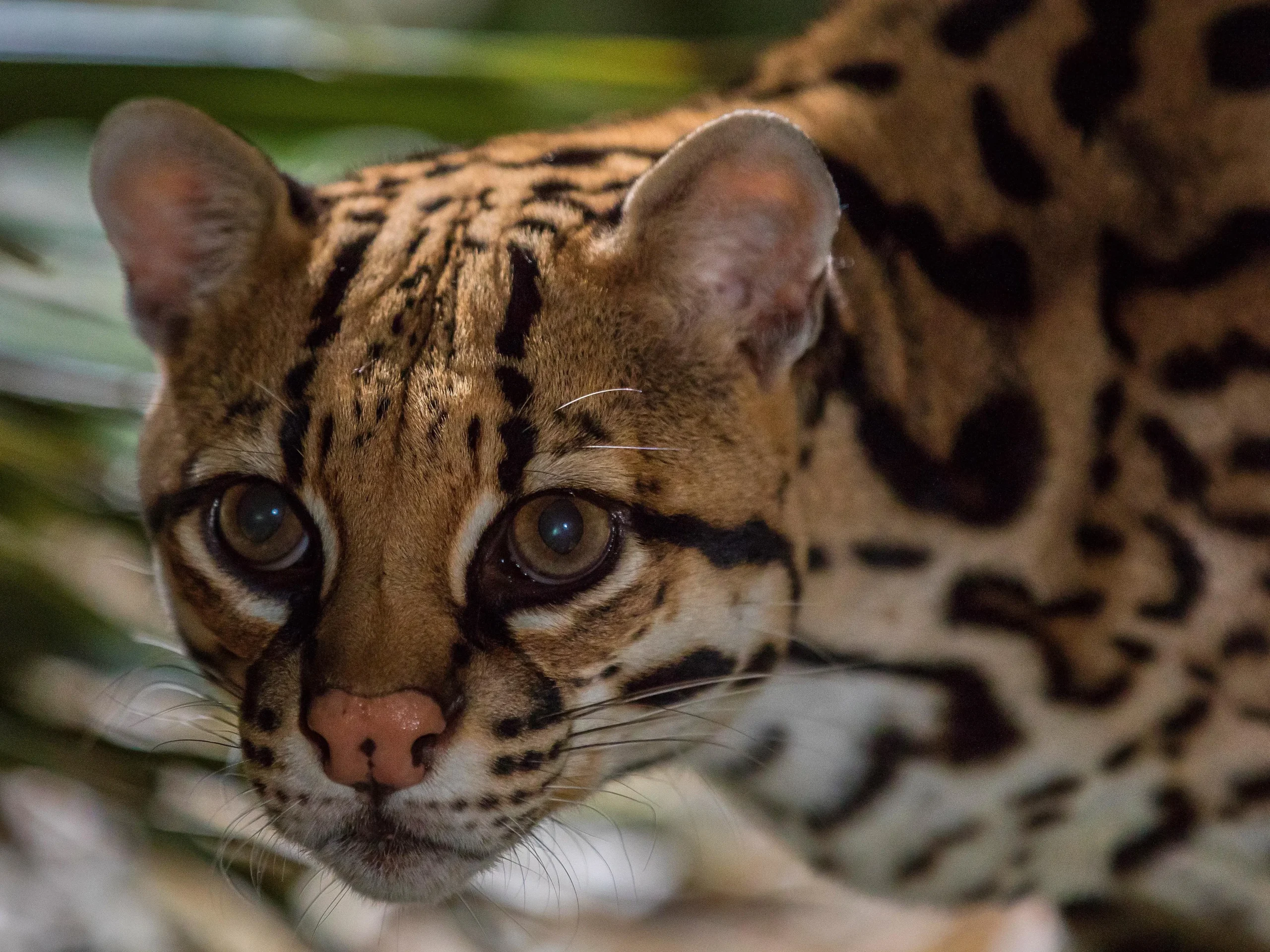
The rich watershed supports critical populations of the Amazon’s most celebrated mammals. During your excursions, you have high probabilities of spotting the vulnerable Pink River Dolphins, the threatened Giant River Otters, and up to 10 distinct monkey species moving through the tree tops. Elusive predators like the Jaguar and Ocelot also roam the reserve.

7 Facts That Make Cuyabeno the Best National Park in South America

Experience Pristine Wilderness in Sustainable Comfort

Plan Your Amazon Expedition Today

Don’t settle for a lengthy 20 – 35 minutes boat commute back and forth from any of the downstream lodges. Join our Cuyabeno Lodge directly on the shore of the Cuyabeno Lake with spectacular lake view.

Scroll to Top